Cultivation of Sarpagandha: Suitable time and method of preparation of plants
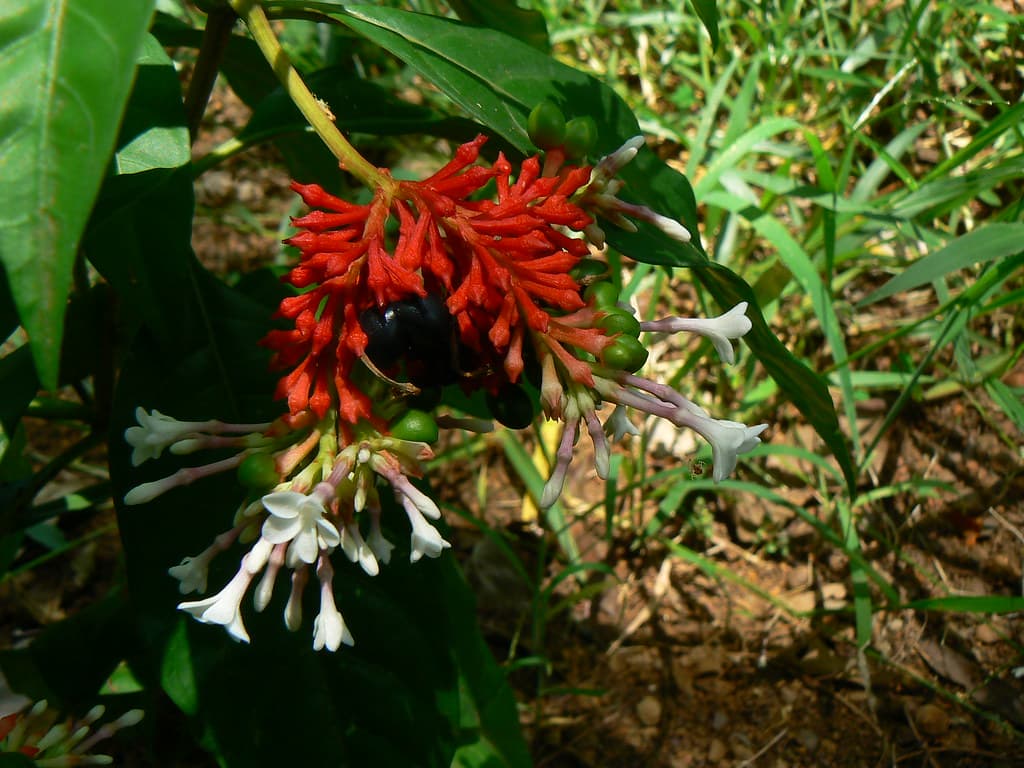
The length of the plants of Sarpagandha, which is rich in many medicinal properties, is from 30 to 75 cm. Its leaves are 10 to 15 cm long and bright green in color. It is most commonly used in the manufacture of Ayurvedic medicines. Hot and humid climate is suitable for its cultivation. The cultivation of Sarpagandha can prove to be a profitable deal for the farmers. If you also want to do the cultivation of Sarpagandha, then get the information about the suitable time for its cultivation and the method of preparing the plants from here. Let us get to know in detail about this topic.
Suitable time for cultivation of Sarpagandha
If it is to be cultivated by seed, the nursery is prepared before planting the plants in the main field.
The month of May-June is suitable for nursery preparation.
The seedlings prepared in nursery should be transplanted in August.
Seed quantity and method of seed treatment
-
3.2 to 4 kg of seed is required for cultivation per acre of land.
-
Before sowing, treat the seed with Thiram @ 2 gm per kg.
plant preparation method
Sarpagandha is cultivated by seed and by cutting.
-
By seed: For cultivation in this method, plants are prepared by sowing seeds in the nursery.
-
Keep the seeds in water for about 24 hours before sowing. This makes it easier for the seeds to germinate. Plants can be transplanted in the main field about 6 weeks after sowing. Transplant it when the height of the plants is about 10 to 12 cm.
-
By cutting: The cutting can be made from both the roots and the stem of the plants.
-
Preparation of graft by root: To prepare graft from root, cut the roots in length of 2.5 to 5 cm. After this, transplant the roots in the nursery. The buds start to emerge in about 3 weeks. Transplant the saplings in the main field to emerge from the buds.
-
Preparation of cuttings by stem: For this, cut the stems in length of 15 to 20 cm. Each stem should have 2 to 3 knots. Transplant this pen in nursery first. Roots begin to form in about 4 to 6 weeks. After the formation of roots, carefully remove the plants and transplant them in the main field.
Read also:
-
Cultivation of Brahmi: Do it three to four times in a year, harvesting will be more profitable. Get more information here.
We hope this information will prove to be important for you. If you liked this information then write our post and also share it with other farmers. So that other farmer friends can also take advantage of this information and prepare healthy saplings of Sarpagandha. Ask us your questions related to this through comments. In our upcoming post, we will share many other information related to the cultivation of Sarpagandha. Till then stay connected with the countryside for more information related to animal husbandry and agriculture.
Please login to continue


Get free advice from a crop doctor